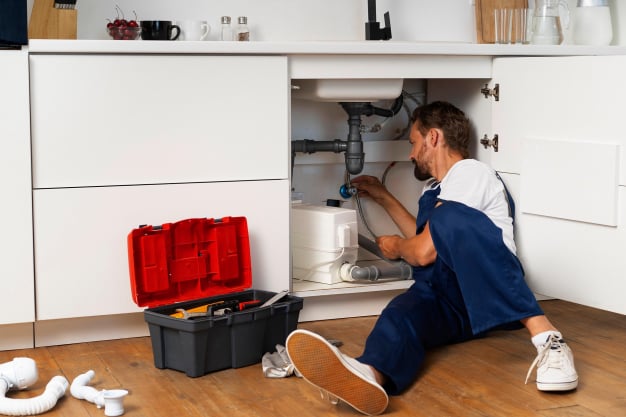
Plumber Near Me: How to Find the Right Local Plumber When You Need One
Plumbing problems have a habit of appearing at inconvenient times. A leaking pipe, blocked toilet, faulty tap or loss of water can quickly move from a minor annoyance to something requiring professional attention. When this happens, finding somebody local who can assess the problem promptly is often the first priority.
Searching for a plumber near me is one of the simplest ways to identify plumbing professionals operating within the local area, but proximity should not be the only consideration. Availability, experience, qualifications, pricing and the type of work undertaken can all determine whether a particular plumber is suitable for the job.
Some plumbing problems require an immediate response, while others can reasonably be scheduled for a convenient appointment. Understanding the difference can help homeowners decide how quickly professional assistance is required and avoid paying emergency rates for work that could safely wait.
Water escaping from a pipe or fitting, for example, may require rapid attention because continuing leakage can damage flooring, ceilings, walls and electrical installations. A dripping tap is usually less urgent, although leaving relatively minor problems unresolved can still waste water and sometimes allow faults to deteriorate.
Having the details of a dependable local plumber before an emergency occurs can therefore be useful. Instead of trying to evaluate several companies while dealing with an active leak, homeowners can already know who operates locally and what services they provide.
Choosing a Local Plumber
Location matters because plumbing is inherently a local service. Unlike many professional services that can be delivered remotely, a plumber normally needs to visit the property to diagnose the problem and complete the work.
A nearby plumber may be able to respond more quickly, particularly where an urgent problem is involved. However, homeowners should still establish whether the company genuinely covers their location and whether additional call-out charges apply.
When searching online for a plumber near me, it is useful to look beyond the first result and examine the services each company actually provides. Some plumbers concentrate primarily on domestic repairs, while others undertake bathrooms, installations, commercial plumbing or larger projects.
Experience with the particular problem can be more important than choosing whichever company happens to appear first in the search results.
Customer reviews can provide additional information, especially where there is a consistent pattern across numerous customers. Reviews may indicate whether appointments are kept, communication is clear and work is completed satisfactorily.
Individual reviews should still be interpreted sensibly. A single extremely positive or negative comment does not necessarily represent the overall quality of a business. Looking at the broader pattern usually provides a more useful indication.
Businesses should also provide clear contact information and be willing to explain how their pricing works. Depending on the job, charges might involve an hourly rate, fixed quotation, call-out fee or combination of labour and materials.
For larger work, obtaining a written quotation can help establish what is included before the job begins.
Homeowners should also distinguish between plumbing and gas work. Many plumbers work exclusively on water and drainage systems. Where work involves gas appliances or gas pipework, the engineer carrying out that work must have the appropriate Gas Safe registration for the work being undertaken.
Checking this distinction is particularly important when problems involve boilers, gas-fired water heaters or other gas appliances.
Common Reasons for Calling a Plumber
Leaks are among the most common plumbing problems. They can occur around taps, toilets, radiators, pipe joints, appliances and concealed pipework.
Some leaks are immediately visible, while others initially appear as damp patches, staining or an unexplained reduction in water pressure. Identifying the source can sometimes be more difficult than repairing the eventual fault.
Toilets can also develop several problems. Constantly running cisterns, ineffective flushing, leaking connections and blockages can all require attention. Although some minor issues can be straightforward, repeated problems may indicate that components need repairing or replacing.
Taps and sinks generate another large proportion of everyday plumbing work. Dripping taps may require replacement washers, cartridges or other components depending on their design, while leaks beneath sinks can originate from pipe connections, traps or waste fittings.
Low water pressure deserves investigation where the cause is not obvious. A sudden change in pressure could relate to internal plumbing, a valve or a wider supply issue. Establishing whether the problem affects one outlet or the entire property can provide useful information before contacting a plumber.
Plumbers can also be required when installing household appliances. Washing machines and dishwashers need suitable water and waste connections, and incorrect installation can lead to leakage or drainage problems.
Bathroom projects represent a more substantial category of plumbing work. Installing toilets, basins, showers and baths can involve alterations to both supply and waste pipework. Planning these connections properly is important because correcting poorly positioned plumbing after tiling or flooring has been completed can be disruptive and expensive.
Older properties can present additional challenges. Plumbing systems may have been altered several times over decades, sometimes using different materials and installation methods. A local plumber experienced with the housing stock in an area may already be familiar with some of these characteristics.
What to Do During a Plumbing Emergency
Knowing how to respond before a plumber arrives can significantly reduce potential damage.
If water is escaping rapidly, identifying and operating the property's internal stop tap can be one of the most useful immediate actions. Homeowners should ideally locate this before an emergency occurs rather than searching for it while water is leaking.
Individual appliances or fixtures may also have isolation valves that allow the affected section to be shut off without stopping the entire property's water supply.
Where leaking water is close to electrical equipment, sockets or wiring, additional caution is required. Electricity and water create an obvious hazard, and homeowners should avoid touching electrical equipment that may have become wet.
Temporary measures such as containers and towels can help contain relatively minor leaks, but they should not be mistaken for permanent repairs. Water can travel along pipes, floors and building materials, meaning the visible location of a leak is not always its original source.
When contacting a plumber, providing clear information can help them understand the situation. Explaining where the water appears to originate, whether the supply has been isolated and what happened immediately before the problem developed can all be useful.
Photographs can sometimes help a plumbing company understand the type of fitting or visible fault before attending.
For non-emergency work, homeowners have more time to compare options. This is useful for planned bathroom alterations, replacement taps, new appliances or preventative plumbing maintenance.
Price is naturally part of the decision, but the cheapest quotation does not automatically represent the best value. The proposed solution, quality of materials, experience and whether the work is guaranteed can all be relevant.
Clear communication is particularly valuable. A professional plumber should be able to explain the likely problem, what work is proposed and how charges will be calculated. Where additional faults are discovered after work begins, these should ideally be discussed before substantially increasing the scope or cost of the job.
It can also be useful to retain invoices and details of completed work. This creates a record of repairs and replacements that may prove helpful if related problems develop later.
Ultimately, local availability is only one part of choosing a plumbing professional. Experience, appropriate qualifications, transparent pricing and evidence of dependable service should all contribute to the decision.
When searching for a plumber near me, homeowners should therefore look for a local professional who is appropriate for the particular problem rather than simply choosing the nearest result. Taking a few minutes to check services, credentials and customer experiences can make it easier to find reliable assistance for both urgent plumbing problems and planned work.